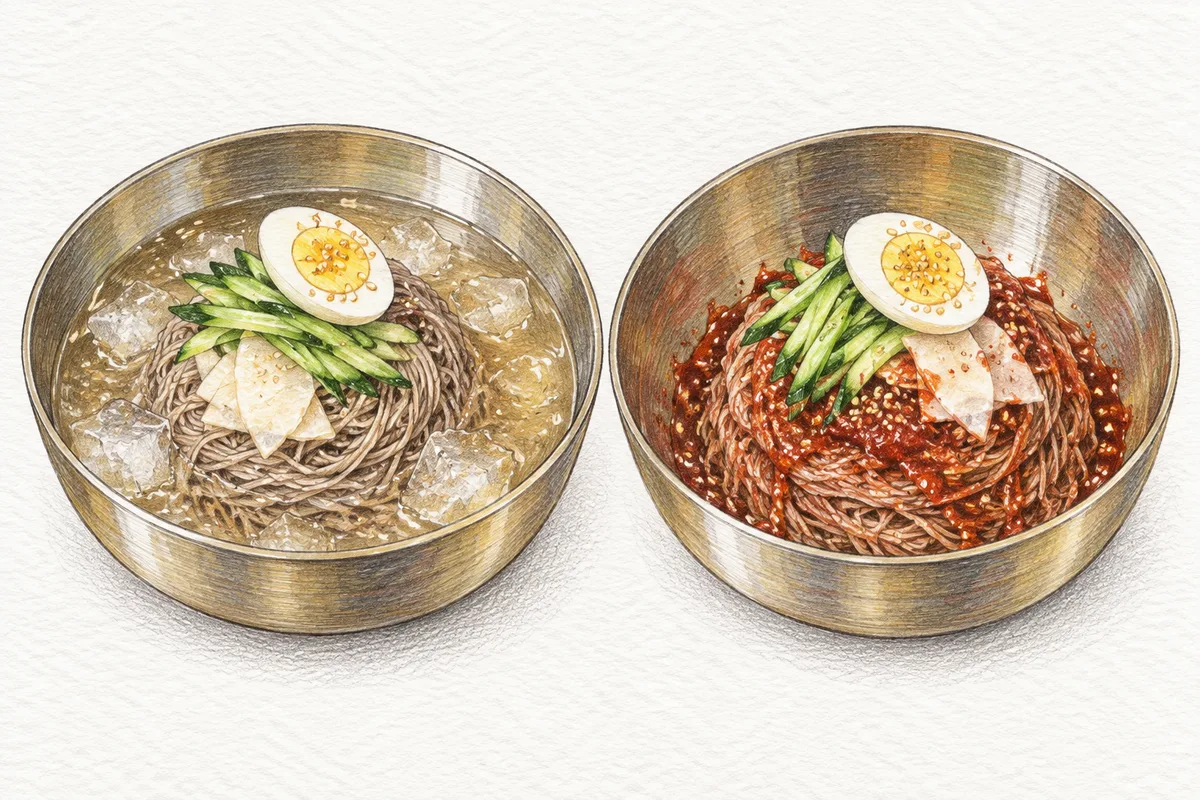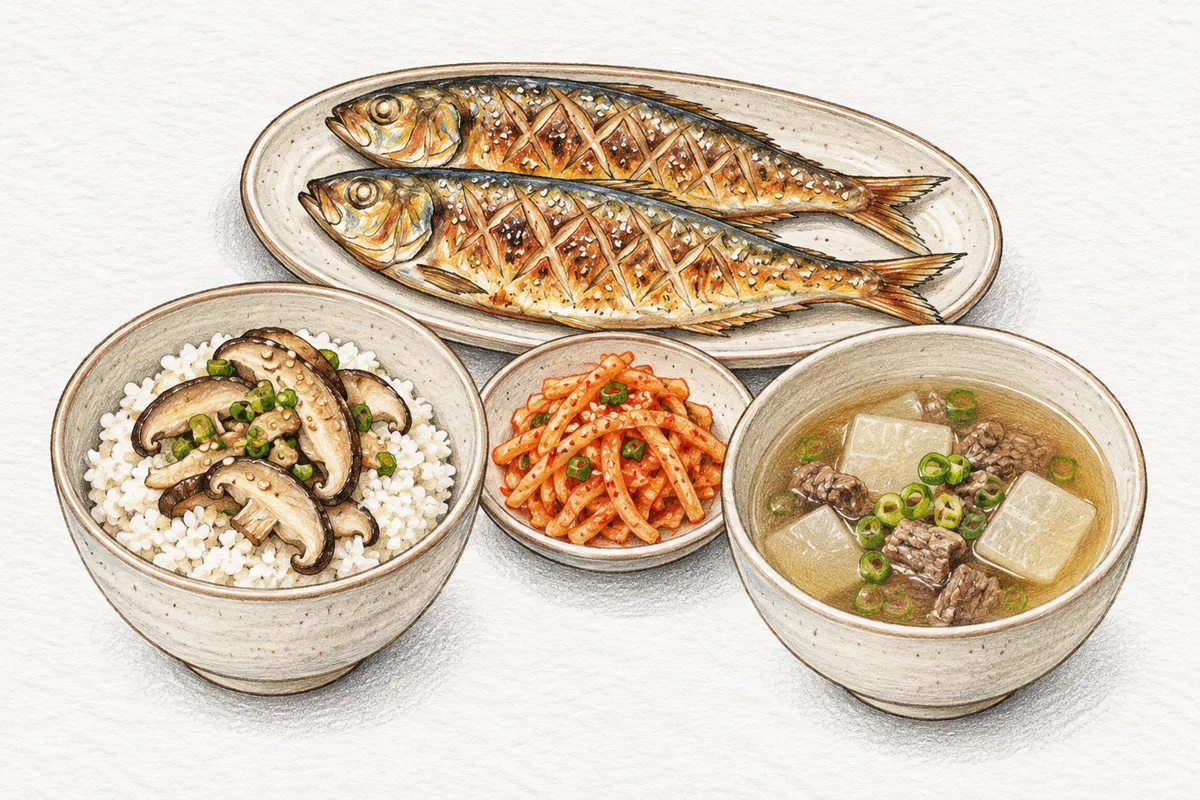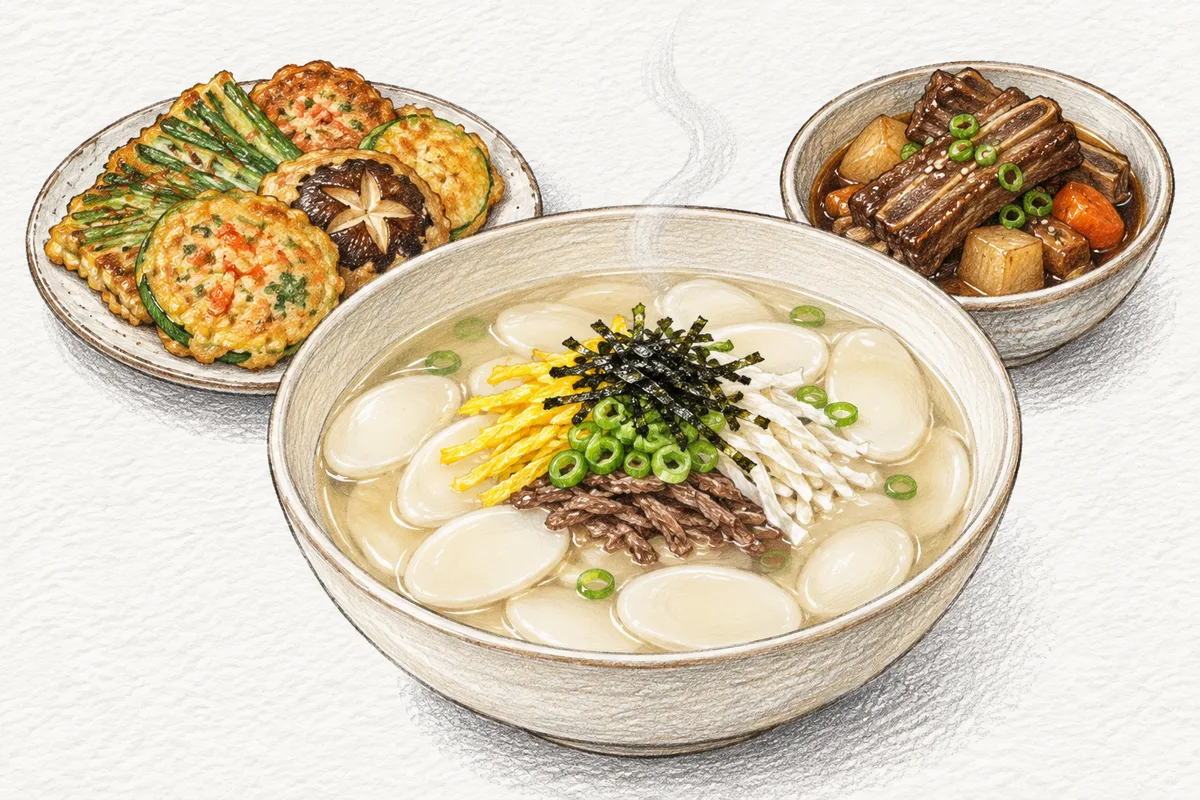
soundedfun.dev

Free tools & guides for food, travel, and daily life in Korea

Whether you are a traveler planning your first visit to Seoul, a food enthusiast curious about Korean cuisine, or someone looking to explore Korean culture from home, soundedfun.dev offers a growing collection of free, ad-supported tools and guides. Every resource on this platform is built from firsthand research: real restaurant visits, tested recipes, and original photography from across South Korea.

Our Projects

Korea Eats
A curated guide to over 3,600 of the best restaurants across South Korea. Every listing is sourced from Google Maps, filtered by a quality scoring system based on ratings and review volume, and organized by cuisine type, district, and region. Search by neighborhood, food category, or browse top-rated picks. No sign-up required.
Restaurant Guide
Korean Wallpapers
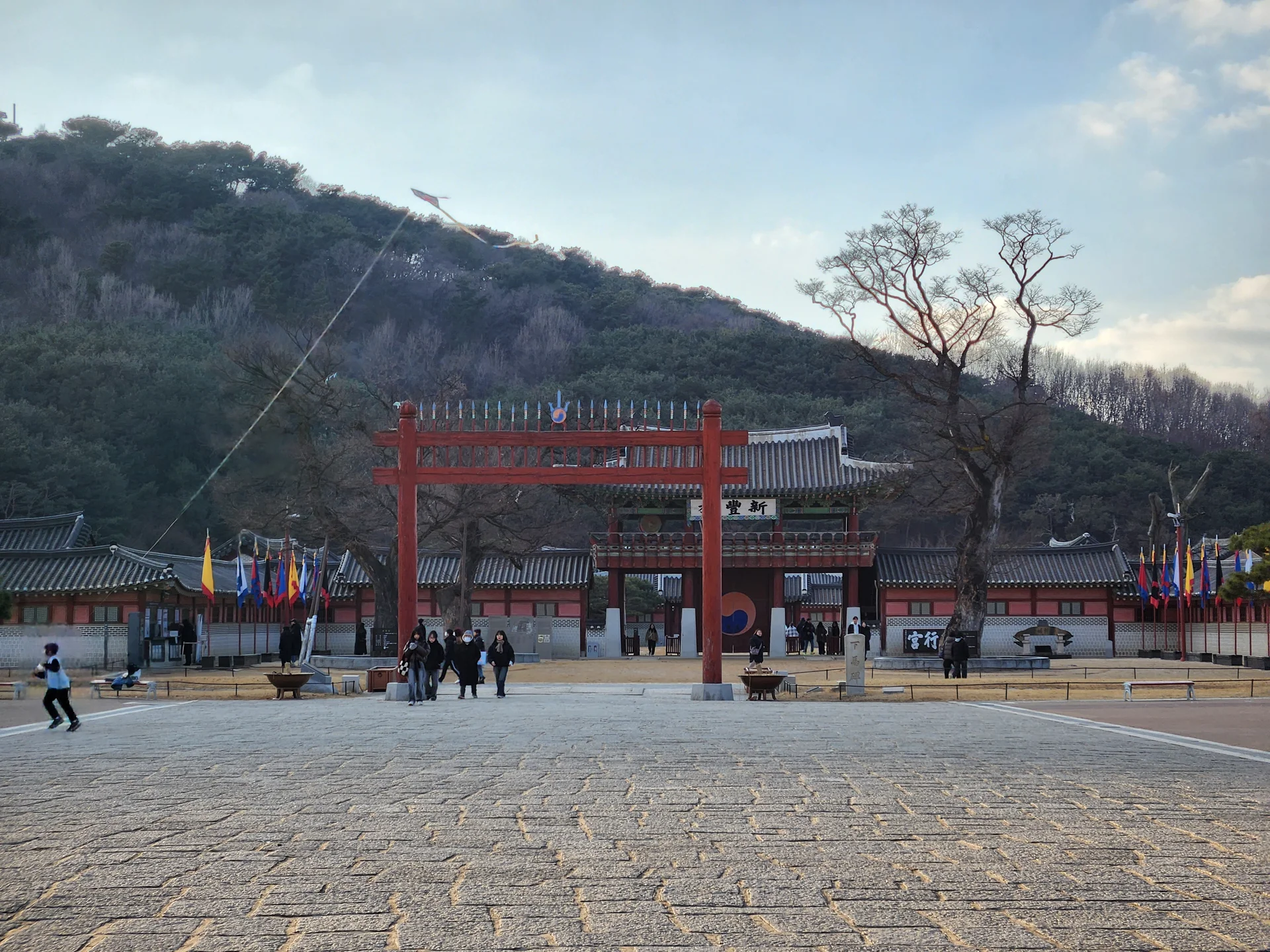
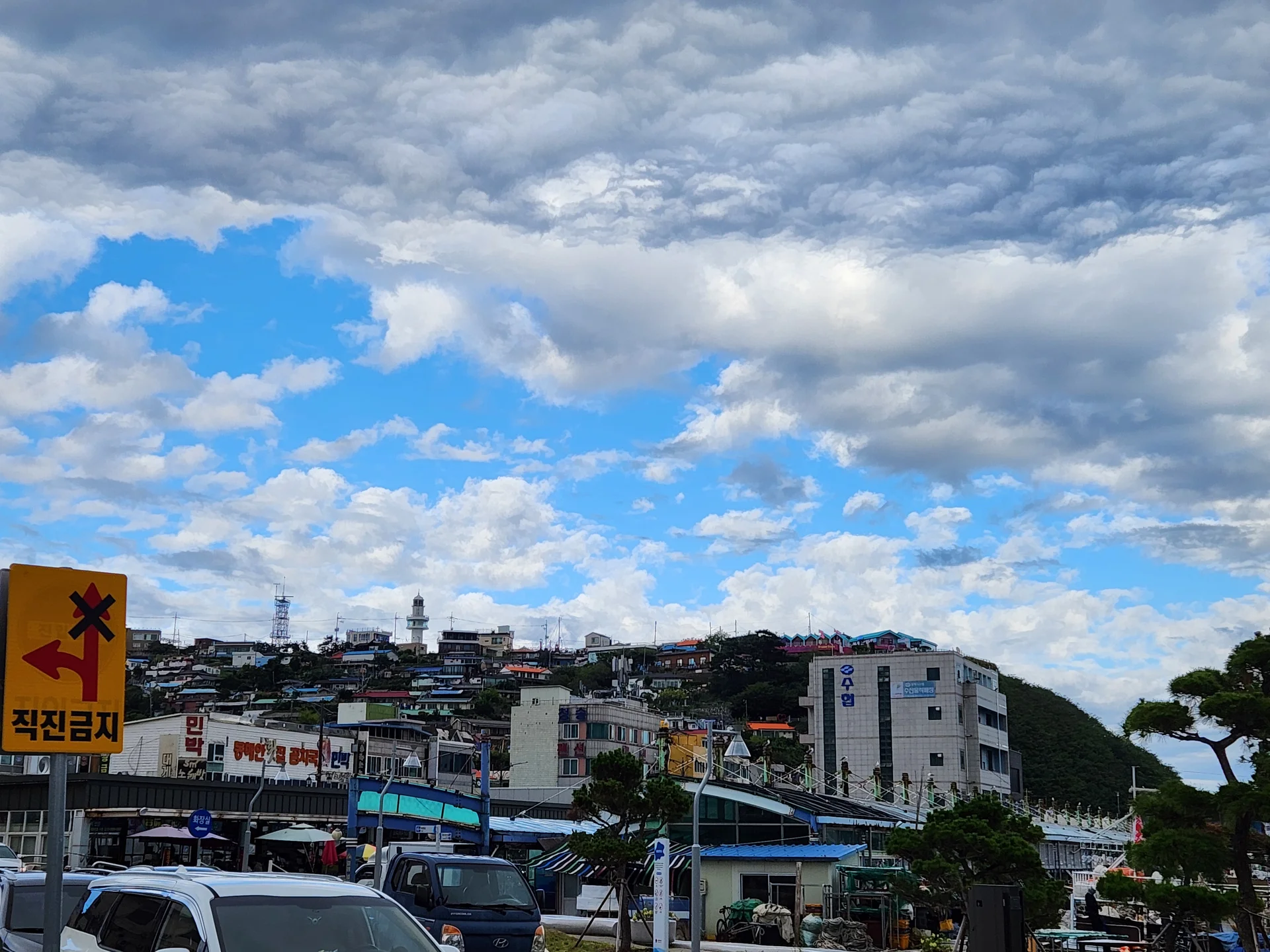
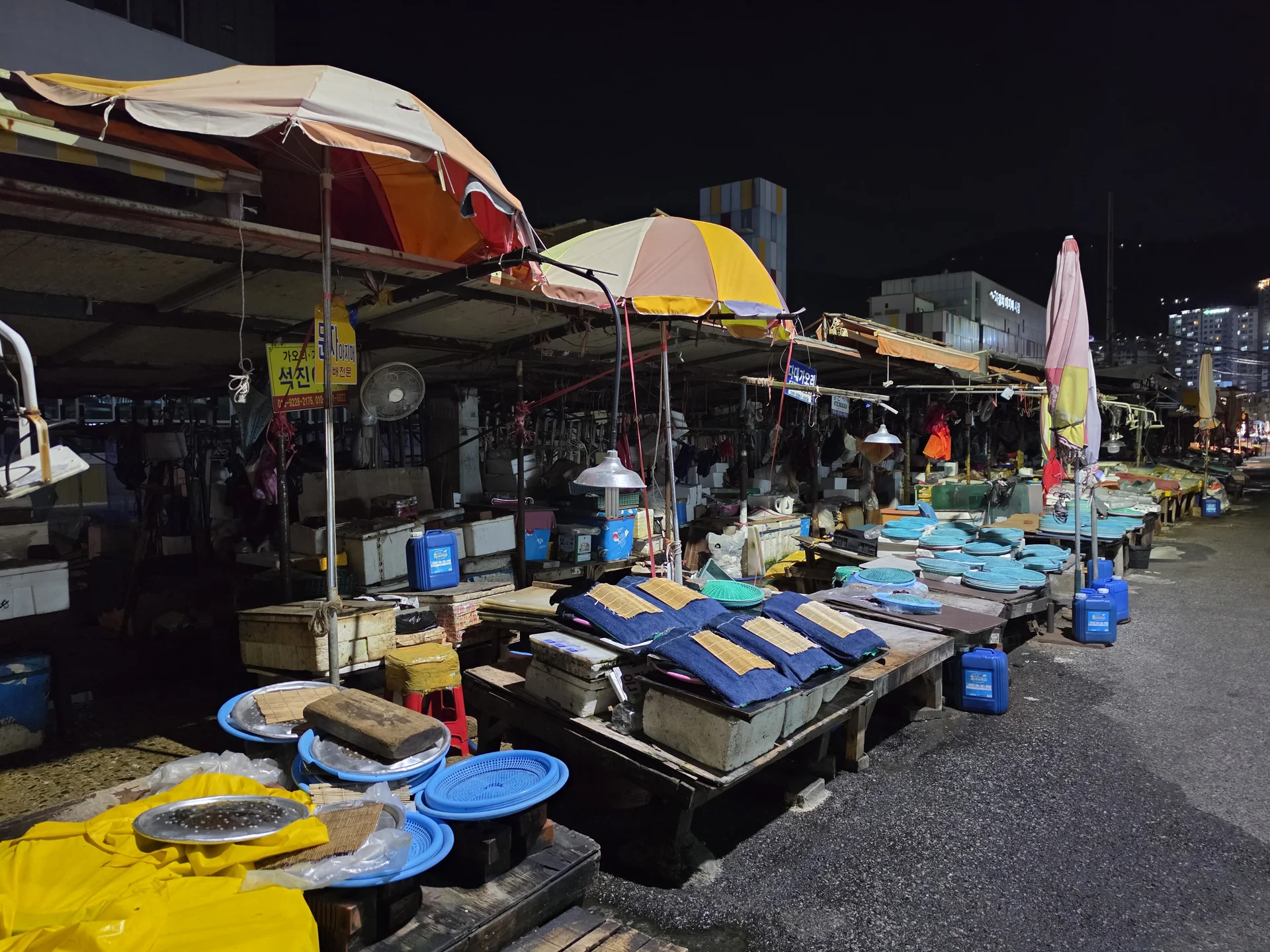
A growing collection of over 1,300 free phone wallpapers featuring Korean scenery: from neon-lit city streets and traditional hanok villages to peaceful temple grounds and seasonal landscapes. All images are original photography, available for free download in high resolution.
Wallpaper
Charim
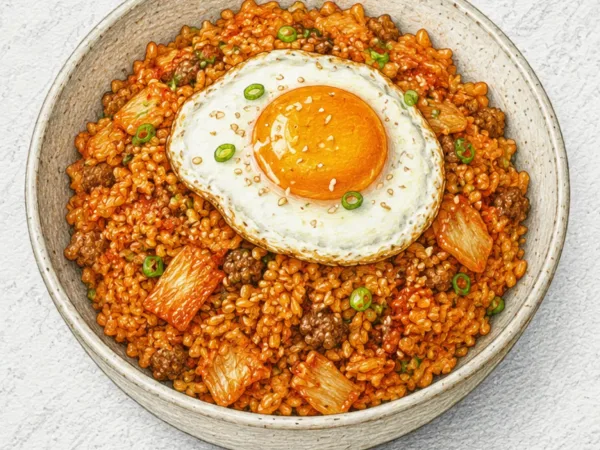
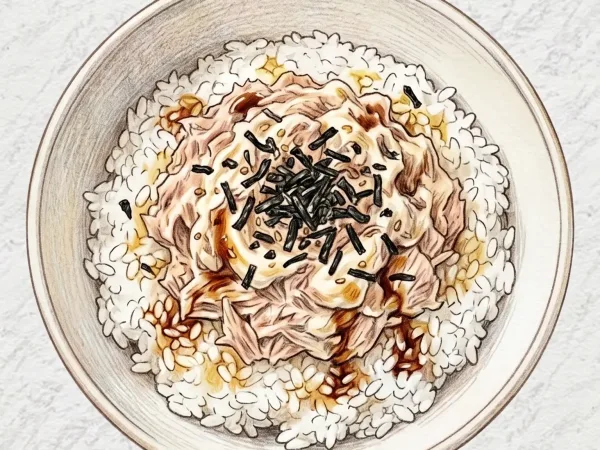
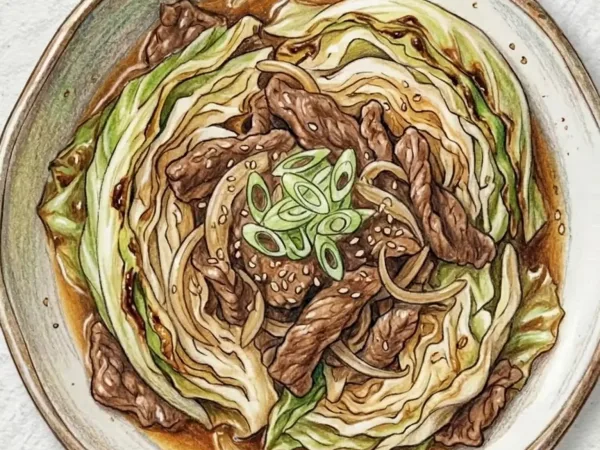
Nearly 3,000 Korean and international recipes with automatic ingredient scaling. Adjust the number of servings and all quantities update instantly. Each recipe includes step-by-step instructions, nutritional context, and tips to help you cook with confidence.
Recipes
Cooking Combine
A casual browser game where you combine ingredients to discover new dishes. Inspired by crafting-style games, it is a playful way to learn about the building blocks of Korean cuisine and how flavors come together.
Game
Habit Pet
A gamified habit tracker where completing daily habits helps you grow a virtual pet. Designed for people who find it hard to stay consistent, it turns everyday routines into a rewarding progression system with unlockable rewards.
Productivity

How These Guides Are Built

Every guide on soundedfun.dev is built from public data plus manual work by one person based in Seoul. No aggregated content, no purchased listings, no user-generated reviews pasted verbatim. Each project has a specific sourcing pipeline and quality threshold documented below.

Korea Eats scoring

Restaurants are pulled from Google Maps using a Selenium crawler that captures name, category, address, GPS coordinates, rating, review count, and visible photos. Each restaurant receives a composite score based on its Google rating and log-scaled review count. The minimum score for inclusion is 7.0 out of roughly 12. Restaurants with over 1,000 reviews and a 4.9 to 5.0 rating are excluded because experience has shown these are often marketing-driven rather than genuine local favorites. District and cuisine category come directly from the crawled data, then mapped to a bilingual (Ko/En) category tree.

Charim recipe sourcing

Recipes are adapted from established Korean cooking references, not scraped from blogs or user-generated sites. Each recipe is structured with ingredients (amounts and units), step-by-step instructions, cook and prep time, nutritional estimates, and difficulty rating. The ingredient scaling calculator applies pure multiplication to maintain ratios across any target serving size. English and Japanese versions are human-reviewed rather than raw machine output.

Wallpaper photography

Every wallpaper is original photography taken across South Korea: Seoul streets, Busan nights, hanok villages, seasonal landscapes, temple grounds, cafes. Photos are cropped to both phone (9:20) and desktop (16:9) aspect ratios, then compressed to WebP for fast loading with JPG originals stored for full-resolution download. GPS coordinates, capture date, and dominant color are extracted from EXIF metadata where available and displayed on each detail page.

Data updates and corrections

Restaurant data refreshes periodically from Google Maps. Because ratings and review counts change over time, the displayed numbers may lag behind real-time values. The recommended workflow is to use Korea Eats to discover a restaurant, then check Google Maps directly for current hours and availability before visiting. Corrections can be emailed to contact@soundedfun.dev with the page URL and specific details.

Languages

Korea Eats, Charim, Korean Wallpapers, and Korean Sool are available in English, Korean, and Japanese. Translations are reviewed for natural phrasing rather than published as raw machine output. The goal is that a Japanese reader looking at a Seoul restaurant page and a Korean reader looking at the same page see information written to the conventions of their own language, not English prose awkwardly translated.

Frequently Asked Questions

Is everything on soundedfun.dev really free?
Yes. All tools and guides are completely free to use with no account required. The platform is supported by minimal advertising through Google AdSense. There is no charge for access, no user data is sold, and no content is locked behind paywalls.
How do you select which restaurants appear on Korea Eats?
Restaurants are sourced from Google Maps and filtered using a composite scoring system that considers the Google rating and the logarithm of the review count. Only establishments that meet a minimum quality threshold (score 7.0 or higher) are included. Paid listings and sponsored placements are not accepted. Every restaurant earns its spot based on publicly available data.
Why are some very high-rated restaurants missing from Korea Eats?
Restaurants with more than 1,000 reviews and ratings between 4.9 and 5.0 are excluded from the listing. In practice these are often the result of aggressive marketing, review incentives, or new-opening buzz rather than sustained local quality. The filter is conservative rather than perfect. If you know a specific case that should be included, please email with the restaurant name.
Are the restaurant ratings you show updated in real time?
No. Restaurant data is refreshed in periodic batches rather than live. The ratings and review counts on Korea Eats reflect the most recent crawl, which may be days or weeks old. For current business hours, temporary closures, or up-to-the-minute ratings, always check the Google Maps link on the restaurant detail page before visiting.
Can I use the wallpapers for my phone or desktop?
Yes. All wallpapers on Korean Wallpapers are free for personal use. You can download them in full resolution and use them as backgrounds on your phone, tablet, or computer. Commercial use requires permission. Please email for licensing inquiries.
Can I use the photos in a blog post, video, or book?
Personal use (phone or desktop wallpaper) is free without attribution. For any publication, commercial work, or redistribution, please email for written permission. Many photos are also available through Shutterstock under separate licensing. Contact us and we can point you to the matching stock listing.
How are the recipes on Charim tested?
Recipes on Charim are adapted from established Korean cooking references and checked for accuracy in ingredient proportions and cooking steps. The automatic scaling feature recalculates all quantities mathematically to maintain proper ratios across any serving size. The scaling math is pure multiplication. It does not account for the fact that certain ingredients (salt, spices, leavening) do not scale linearly in practice.
How many recipes and restaurants are on the site right now?
As of the most recent update: about 3,600 restaurants on Korea Eats, nearly 3,000 recipes on Charim, over 1,300 wallpapers on Korean Wallpapers, and over 1,100 traditional drinks on Korean Sool. These numbers grow over time as new data is added.
Is this run by a team or a single person?
A single person based in Seoul builds and maintains everything here. That is why all guides share the same design system, the same scoring philosophy, and the same editorial standards. There is no committee, no content farm, and no outsourced translation. It also means response times can be slower than a professional operation, and that coverage is necessarily biased toward the regions, cuisines, and topics the maintainer personally prioritizes.
Do you accept guest posts, sponsored content, or paid listings?
No. No guest posts, no sponsored content, no paid listings, and no affiliate deals that influence rankings. If a link goes to an affiliate program (for example, Coupang Partners for cooking ingredients on Charim), it is disclosed with a "sponsored" link relation on the link itself and labeled clearly on the page.
Where does the restaurant data come from, and is it legal to use?
Restaurant names, ratings, review counts, and addresses come from Google Maps, which is public information. Crawling public data is permitted within reasonable rate limits. The site does not republish Google's proprietary content such as user review text. Only metadata like name, rating, and location, combined with an original scoring system and curation. Google Maps itself is still the authoritative source and every restaurant detail page links back to it.
Why is the site in English, Korean, and Japanese?
These are the three audiences that the maintainer can produce content for with reasonable quality. Korean is the base language because the raw data (restaurants, recipes, regional terms) is Korean. English is for international travelers and the global audience. Japanese is added because Japan is one of the largest inbound tourist sources for Korea and the translation workflow for Korean to Japanese produces noticeably higher quality than Korean to most other languages. More languages are not planned in the near term.
How can I report an error or suggest an improvement?
Corrections and suggestions are welcome. Please email contact@soundedfun.dev with the page URL and a specific description of the issue. Typical response time is 2 to 3 business days.
Why does Korean Sool show so many products I have never heard of?
Korean traditional alcoholic beverages extend well beyond the soju and makgeolli that are widely exported. The Korean Sool database includes regional cheongju, yakju, fruit wines, distilled liquors, and small-batch artisanal products from breweries across the country. Many of these are only sold in a handful of local shops. The catalog intentionally emphasizes breadth over familiarity.
Do you have a privacy policy and terms of use?
Yes. See Privacy Policy for how analytics and advertising cookies are handled, and Terms of Use for the site's usage conditions. Both are plain-language and cover everything relevant to a visitor.