Korean cooking
How to Build a Korean Banchan Table
A useful home table does not need ten side dishes. Start with kimchi, add one fresh or lightly seasoned vegetable, one cooked or protein side, and one contrasting item that can survive another meal.
Use four roles
- Fermented or pickled: kimchi, kkakdugi, cucumber pickle, or jangajji brings acid and keeps well.
- Fresh or green: spinach namul, seasoned cucumber, lettuce salad, or blanched greens lighten the table.
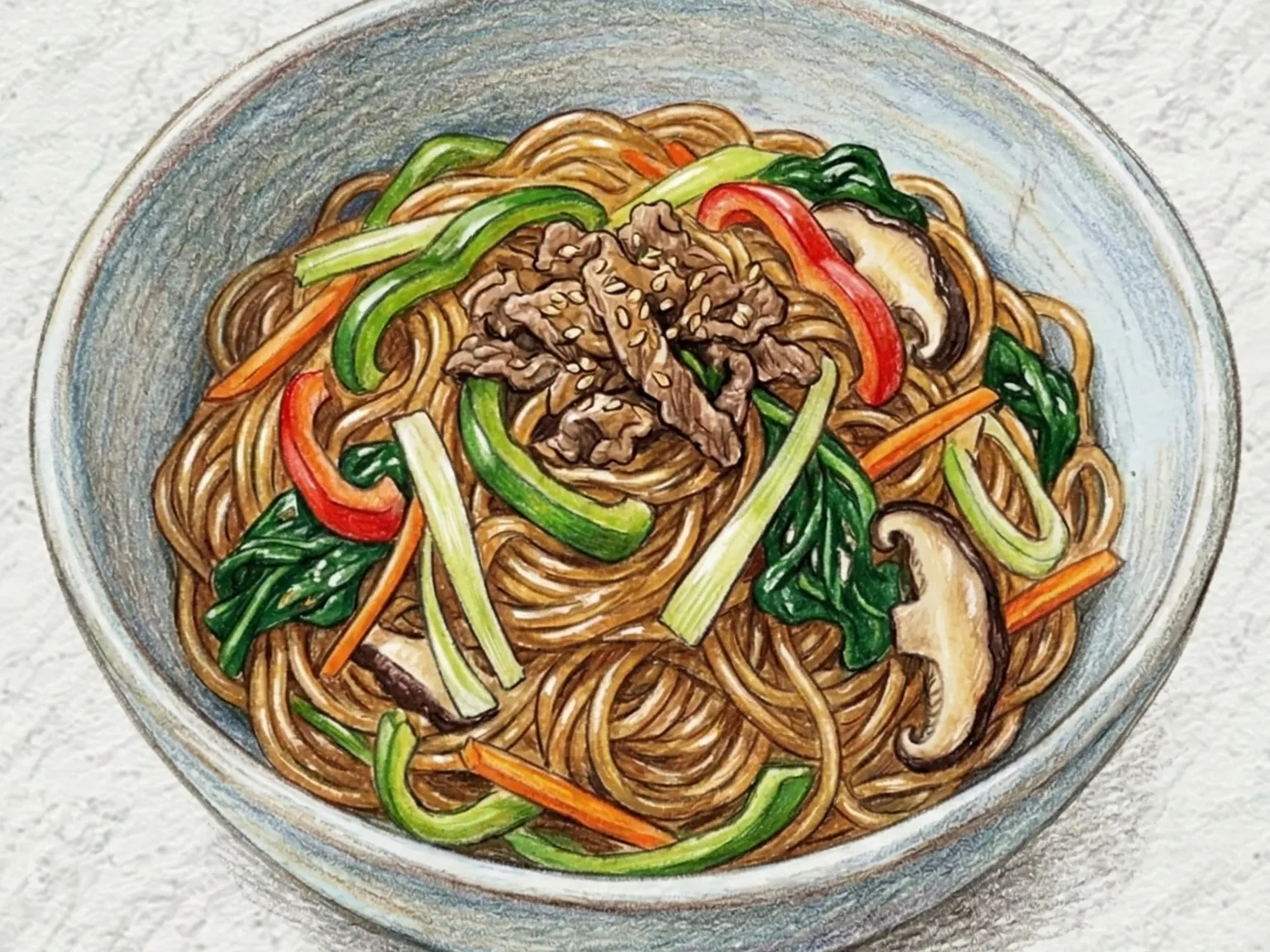
- Cooked savory: braised tofu, rolled egg, fish cake, mushrooms, anchovies, or japchae adds substance.
- Texture contrast: crisp lotus root, roasted seaweed, bean sprouts, nuts, or a small pancake prevents every bite from feeling soft.
One dish can fill two roles. Cucumber kimchi is both fermented and crisp. Rolled egg is cooked, mild, and protein-rich. The roles are a planning tool, not a demand for four separate recipes.
Balance seasoning across the table
If the main dish is salty and spicy, keep at least two sides mild. If the main is clear soup or plain grilled fish, stronger kimchi and a soy-braised side can carry the rice. Repeating garlic, sesame oil, soy sauce, and red pepper in every dish makes different vegetables taste alike.
Vary the finishing notes: sesame oil on one namul, vinegar on cucumber, soy and sweetness on a braise, and plain roasted seaweed for a clean bite.
A small complete table: rice, soup or a main dish, kimchi, seasoned spinach, rolled egg, and roasted seaweed. It covers heat, freshness, protein, salt, and texture without a full day of prep.
Plan by storage life
Cook one or two sturdy sides in a larger batch and make delicate sides in smaller quantities. Braised roots, stir-fried anchovies, pickles, and some kimchi hold their character longer than dressed cucumber, bean sprouts, or leafy namul.
Cool cooked food before sealing it, refrigerate promptly, and use clean utensils when serving. Storage time depends on ingredients and handling, so rely on a specific recipe and food-safety guidance rather than assuming every banchan lasts the same number of days.
Reuse without repeating the same meal
A banchan set becomes a system when the main dish changes. Serve the first night with rice and grilled fish. The next day, add a stew. Later, use the remaining vegetables in bibimbap, gimbap, fried rice, or a noodle topping.
Do not mix all leftovers automatically. Keep crisp, mild, and strongly fermented items separate until the final dish has a clear direction.
Sequence the prep
- Start rice and any long braise.
- Wash and cut all vegetables.
- Blanch the mildest vegetable first and the strongest last.
- Cook the egg or protein side.
- Season each vegetable in a separate bowl.
- Plate small portions and refrigerate the rest.
Serve less than you prepared
Small portions keep the table readable and protect the stored batch from repeated warming and handling. Put out enough for the first round, then refill only what people are eating. A household dinner does not need the number of side dishes seen at a restaurant. Rice, one main dish, kimchi, and two contrasting banchan already form a complete table.
Choose individual side dishes
Use Charim when the table roles are set and exact recipes are needed.